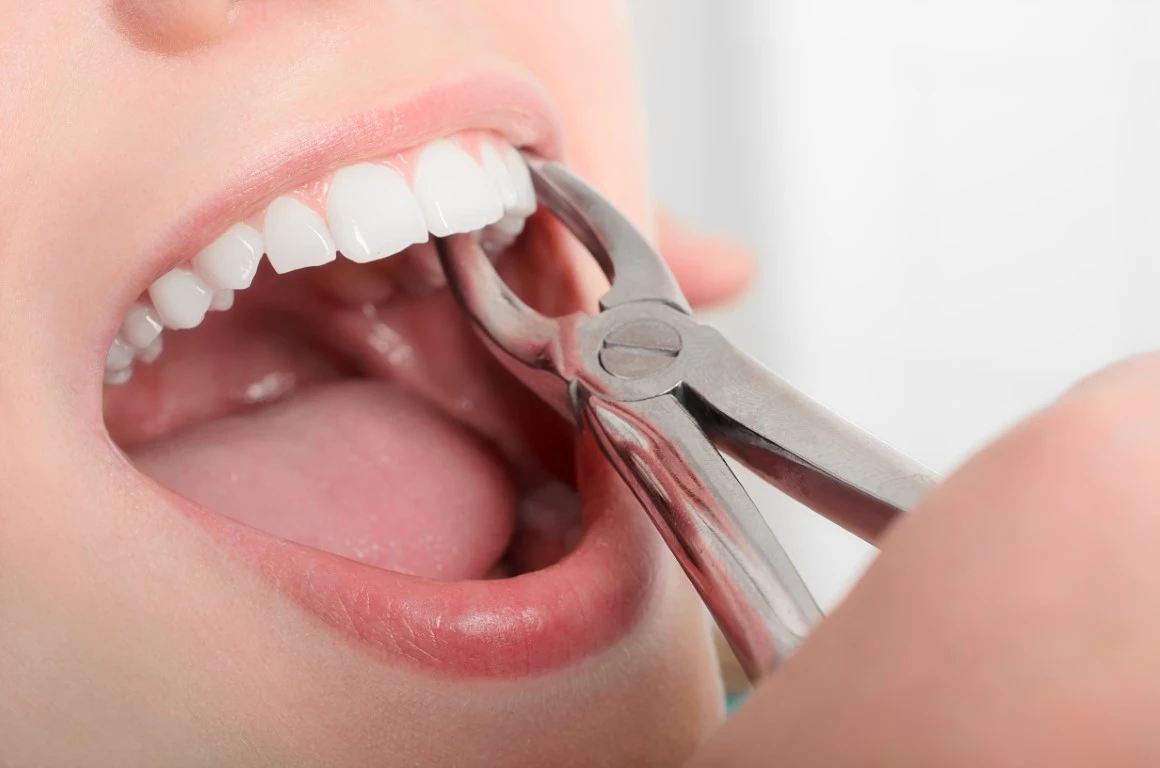
When dental injuries strike, the thought of losing a tooth can be incredibly distressing. Whether it’s from a sports injury, an unexpected impact, or a fall, a damaged tooth can affect your smile and overall oral health. You may wonder whether tooth extraction is an inevitable part of the recovery process from an injury or if it is possible to preserve the tooth.
The good news is that with prompt and comprehensive dental care, tooth extraction can often be easily avoided. Understanding what to do after your injury, treatment options, and post-tooth extraction prosthetic options can help ease your mind. In this blog, we’ll explore practical strategies to protect your teeth after an injury and preserve your smile.
What to Do Immediately After a Dental Injury
When you’re dealing with a dental injury, time is of the essence. You want to ensure you’re taking the proper steps to protect yourself from long-term damage and potential tooth extraction. But if you’ve never experienced a dental injury before, you might not know what steps to take. If you recently experienced a dental injury, follow these steps:
- Contact Your Dentist: As soon as a dental injury occurs, reach out to your trusted dental team to determine if they can schedule an emergency appointment for you.
- Rinse Your Mouth: After contacting your dentist, rinse your mouth with warm water to clean the area and control any bleeding by applying direct pressure with gauze.
- Apply a Cold Compress: Use an ice pack wrapped in a cloth and press it against your cheek to help calm any swelling and alleviate discomfort.
- Use Pain Medication: In addition to an ice pack, consider using an over-the-counter pain medication, such as acetaminophen or ibuprofen, to help manage your pain.
Procedures to Save Your Tooth
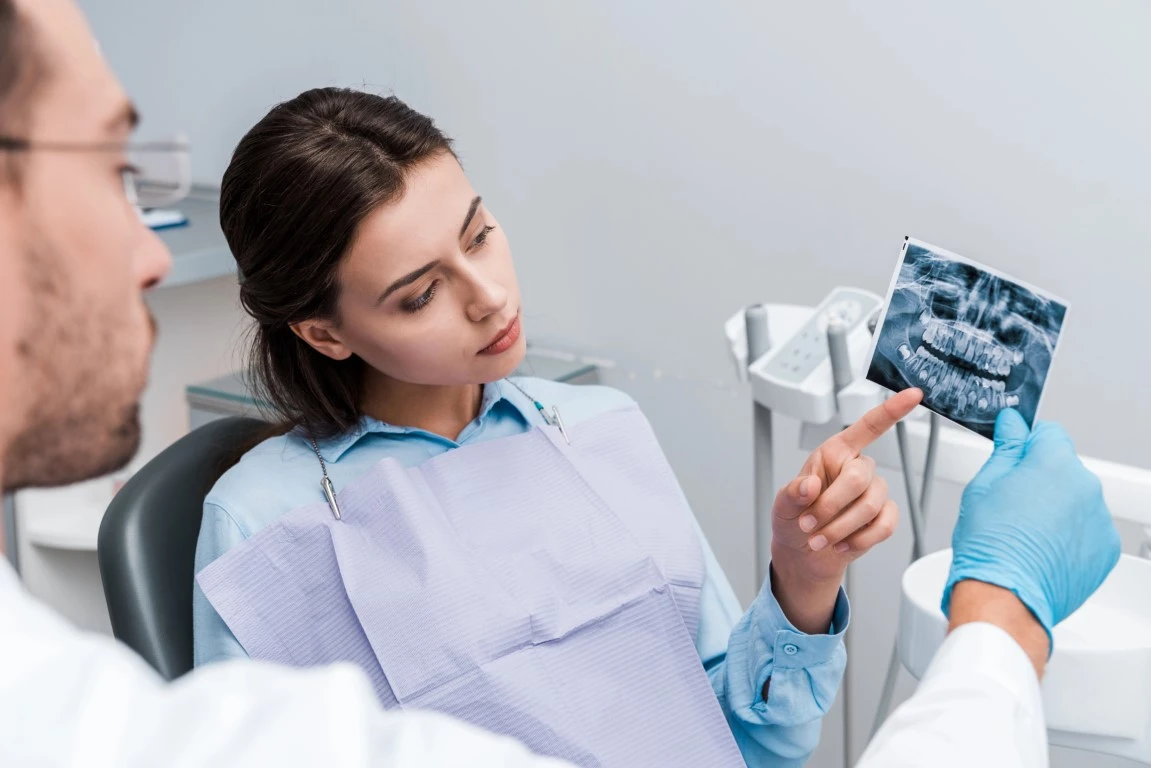
There are several steps your dentist can take to preserve your tooth following a severe injury. Some of the ways your dentist will attempt to save your tooth and ensure you can avoid tooth extraction include:
- Reimplantation: If your tooth is dislodged, your dentist will clean it, reimplant it, and splint it to the surrounding teeth to hold it in place while it heals.
- Root Canal: If your nerves or dental pulp are exposed or damaged, your dentist may perform a root canal to remove damaged tissue.
- Dental Crown: For teeth with major fractures, your dentist may use a dental crown to restore strength, function, and appearance.
- Bonding or Fillings: To address small chips or fractures, your dentist will use bonding or fillings to restore appearance and function.
- Orthodontics: If your teeth are repositioned from the injury, you may need to undergo some orthodontics to restore the appearance and function of your smile.
Signs You Cannot Avoid Tooth Extraction
Your dental team will do everything in their power to preserve your natural tooth. However, sometimes tooth extraction is the most reliable option for protecting your oral health, delicate soft tissue, and the surrounding teeth. If you are experiencing any of these signs, you may not be able to avoid tooth extraction:
- Severe fractures or splits that stretch beneath the gum line.
- Pain that cannot be managed with over-the-counter medications.
- An incredibly wobbly or loose tooth, even after initial treatments.
- Exposed nerves and dental pulp that increase sensitivity.
- Signs of severe infection, including pus, swelling, and a bad taste in your mouth.
- Damage to your jawbone and the tissue surrounding the tooth.
Losing a tooth can be incredibly distressing, but sometimes it is the best decision you can make. Attempting to avoid a necessary tooth extraction can lead to advanced infections and potentially severe sepsis. If your dental team has recommended this treatment, it is best to follow their advice.
Prosthetic Options After Tooth Extraction
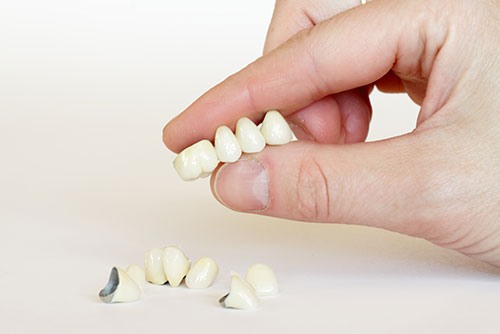
Although losing a tooth can lead to significant stress, your dental team may recommend a few reliable prosthetic options. Some of the most popular prosthetic dental options include bridges, partial dentures, and dental implants. The best choice for you will depend on several factors, and your dental team will assess your oral health to make appropriate recommendations.
- Bridge: If you lost no more than four teeth, a dental bridge, which attaches to surrounding teeth, may be best to restore your smile.
- Partial Dentures: For individuals who have lost more than four teeth following their injury, partial dentures can fill gaps and restore their bite.
- Implants: If you have adequate jawbone density, the team will implant a post into the bone, and after osseointegration, a crown will be placed to restore smile functionality.
Steps to Take to Protect Your Smile
If you’ve recently experienced a dental injury, you want to ensure you’re doing everything in your power to protect your smile from future injuries. Taking adequate steps can help you avoid the need for tooth extraction down the line. One of the easiest ways to protect your smile is to wear a custom mouthguard, especially during contact sports like football, soccer, and hockey.
Additionally, avoid using your teeth as tools. Even if it doesn’t seem like it will cause much damage, tearing open packages, bottles, and other items can lead to major damage. Also, do your best to avoid chewing on ice, popcorn kernels, and sticky candies, as these can damage your teeth over time.
Finally, schedule regular appointments with your dental team. During these appointments, your dentist and hygienists can detect signs of minor damage before it progresses and requires extractions. If they detect signs of damage, they can also provide treatment recommendations to help you maintain your smile.

Let Jenson Dental Help You Protect Your Smile
Whether you need a tooth extraction or the tooth can be saved, it’s essential that you work with a reliable dental team. If you’re looking for a trustworthy dentist in the Brigham City, Utah, area, turn to our team at Jenson Dental. Since 1964, our team has provided comprehensive dental care to patients across the city. No matter what dental injury you’re experiencing, we’re committed to helping you preserve your oral health.
If you would like to schedule an appointment to address a recent dental injury, don’t hesitate to contact our team today.